

Compressors
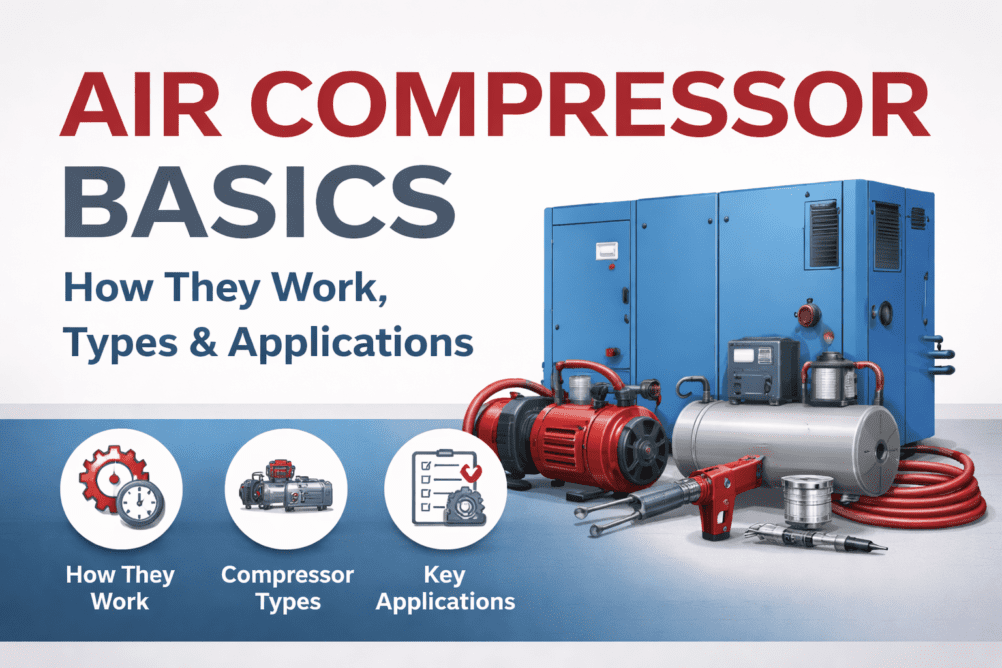
Air Compressor Basics: How They Work, Types and Applications
Jun
Air Compressor Basics: How they work, types and applications
Air compressor basics are essential knowledge for anyone working with pneumatic tools, industrial equipment, or compressed air systems. Air compressors convert electrical or mechanical energy into stored compressed air, which can then be used to power machinery, tools, and production processes across many industries
This guide explains what an air compressor is, how it works, the main types available, and how to choose the right one for your application.
What is an air compressor?
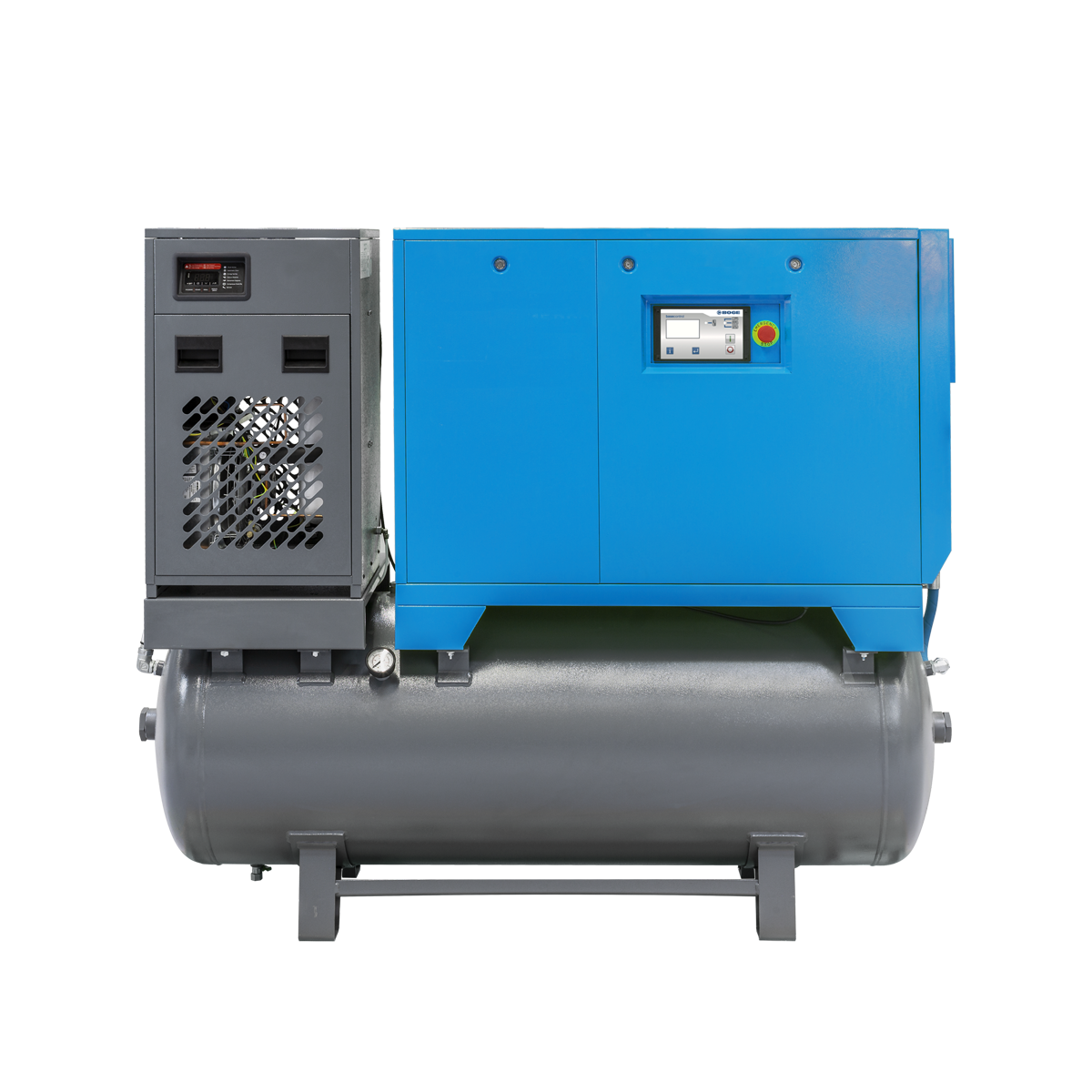
An air compressor is a machine that draws in atmospheric air, compresses it to a higher pressure, and stores it for later use. This compressed air acts as a reliable, flexible energy source for powering tools, equipment, and automation systems.
Compressed air is widely used because it is:
- Clean and safe
- Easily stored
- Simple to distribute
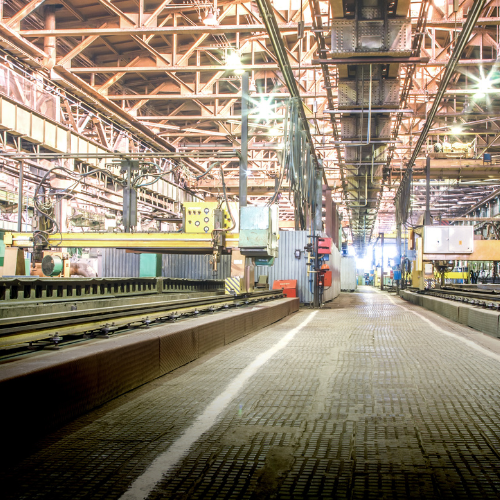
- Suitable for harsh industrial environments
How air compressors work
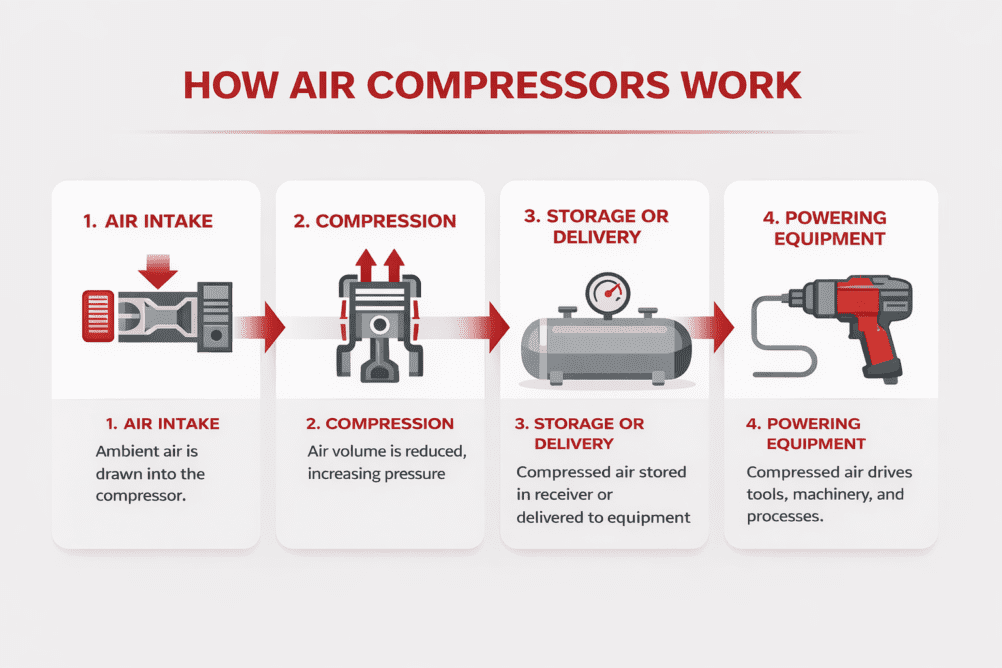
At a basic level, all air compressors operate using the same principle:
- Air Intake – ambient air is drawn into the compressor
- Compression – the air is mechanically compressed
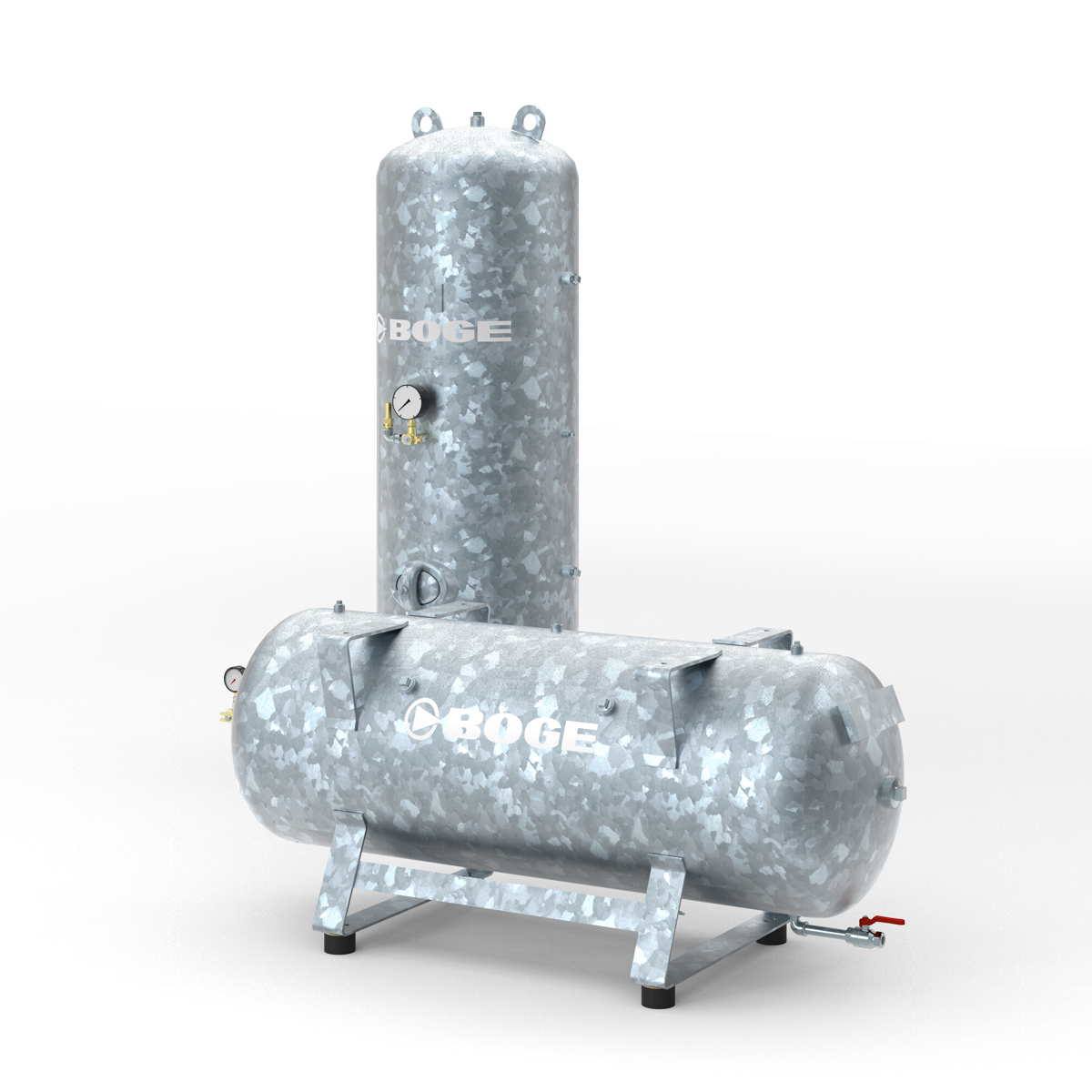
- Storage or Discharge – compressed air is stored in a receiver or delivered directly
The method of compression depends on the compressor design, which directly affects efficiency, noise, and suitability for continuous operations.
For a technical overview, ISO provides guidance on compressor standards and testing
Types of Air Compressors
Understanding the different types is a key part of air compressor basics, as each design suits different applications
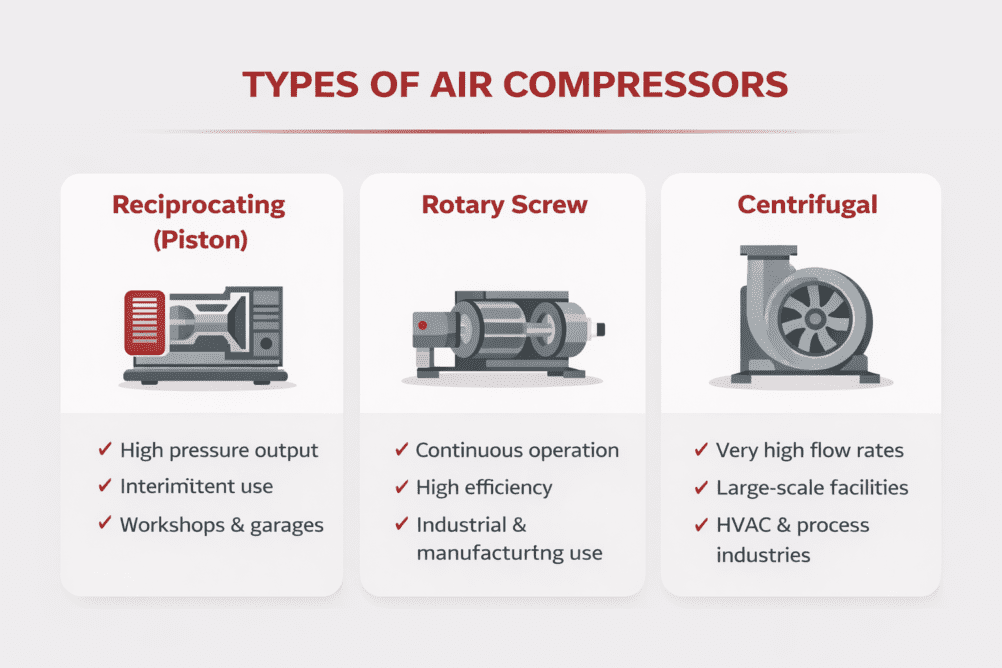
Reciprocating (Piston) Compressors
These compressors use pistons driven by a crankshaft to compress air.
Best for:
- Workshops and garages
- Intermittent use
- High-pressure, low-duty applications
Rotary Screw Compressors
Rotary screw compressors use two interlocking helical rotors to compress air continuously.
Best For:
- Manufacturing facilities
- Continuous-duty operations
- Energy-efficient industrial use
Centrifugal Compressors
These compressors use high-speed impellers to generate compressed air.
Best for:
- Large-scale industrial plants
- HVAC systems
- High-volume airflow requirements
Key Factors when choosing an air compressor
Selecting the correct compressor goes beyond size alone.
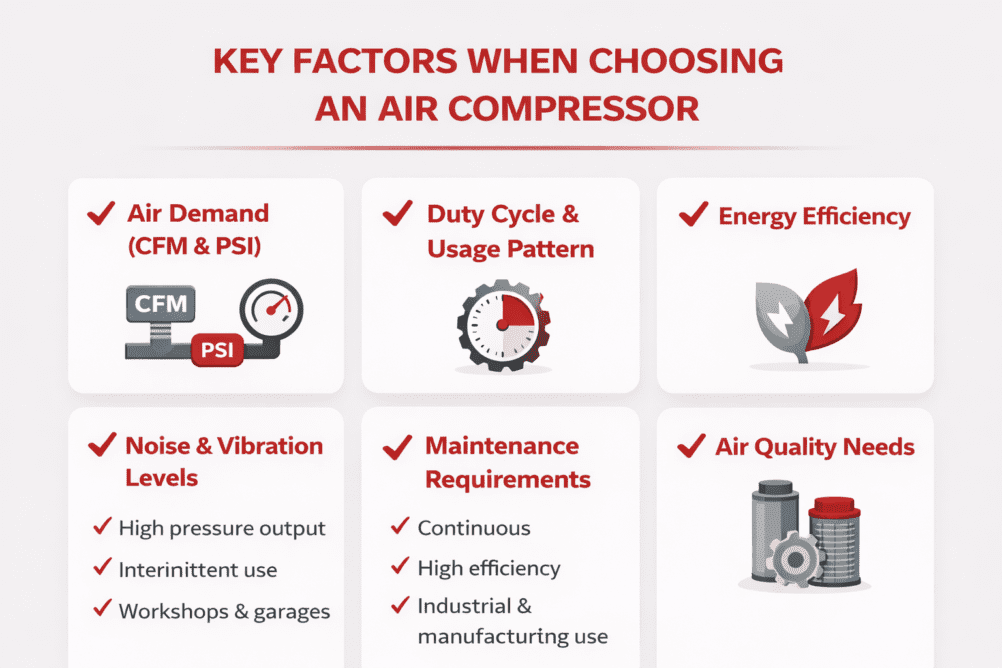
Air Demand (CFM & PSI)
CFM determines airflow volume, while PSI determines pressure capability. The compressor must peak demand without excessive cycling.
Duty Cycle & Usage Pattern
Continuous-use applications require compressors designed for sustained operations.
Energy Efficiency
Compressed air is one of the most expensive utilities in industrial environments. Energy-efficient compressors significantly reduce long-term operating costs.
Noise and Vibration
Noise levels are important in indoor and occupied environments. Sound-dampened enclosures and proper mounting improve workplace comfort.
Maintenance Requirements
Regular servicing improves reliability, air quality, and compressor lifespan.
Compressed Air Quality Considerations
Many industries require clean, dry compressed air including:
- Food & beverage processing
- Pharmaceutical manufacturing
- Automation and instrumentation
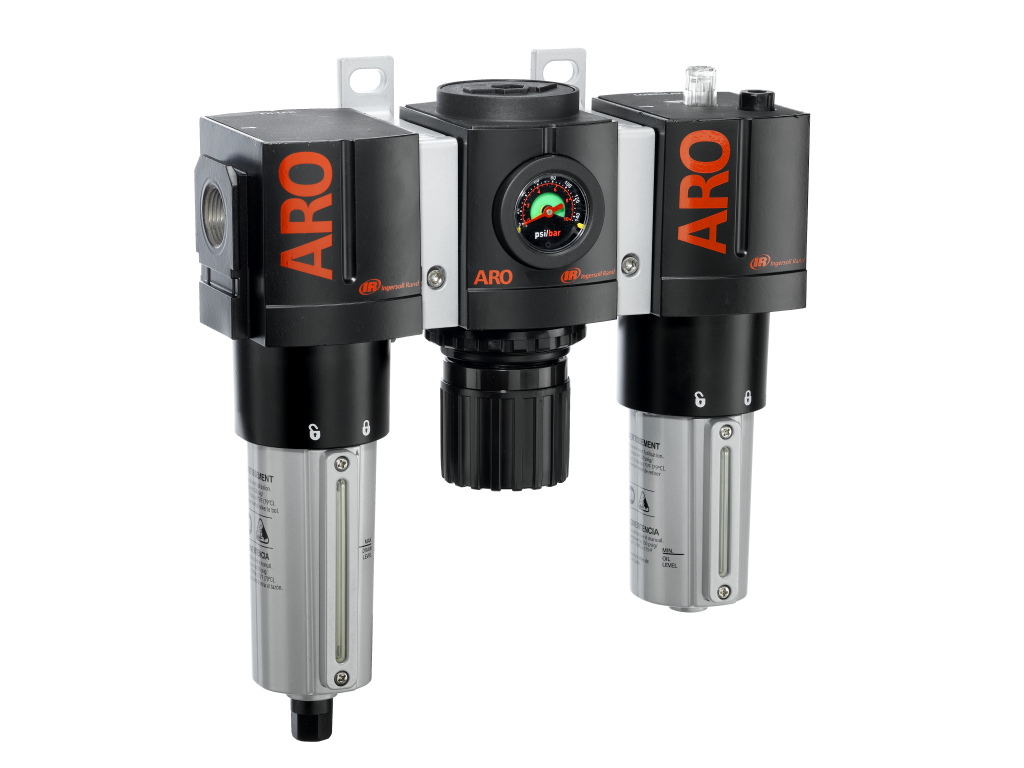
Air dryers, filters, and separators are essential for maintaining air quality and protecting downstream equipment.
Conclusion: Understanding Air Compressor Basics
Understanding air compressor basics allows businesses to make informed decisions, improve efficiency, and reduce downtime. By considering compressor type, air demand, energy efficiency, and maintenance requirements, you can select a compressed air system that supports reliable long-term operations.
If you are still unsure of your needs Contact our technical team who are more than happy to provide support.
What is an air compressor?
An air compressor is a machine that draws in atmospheric air, compresses it to a higher pressure, and stores or delivers that compressed air to power tools, equipment, and industrial processes.
How do air compressors work?
Air compressors work by pulling in ambient air and mechanically reducing its volume, which increases pressure. The compressed air is then stored in a receiver tank or delivered directly to pneumatic tools and systems.
What are the main types of air compressors?
The most common types of air compressors are reciprocating (piston) compressors, rotary screw compressors, and centrifugal compressors. Each type is suited to different pressure, flow, and duty cycle requirements.
What is the difference between CFM and PSI
CFM (cubic feet per minute) measures the volume of air delivered, while PSI (pounds per square inch) measures air pressure. Both values are critical when selecting an air compressor to ensure it meets application demand.
How do I choose the right air compressor?
To choose the right air compressor, consider air demand (CFM and PSI), duty cycle, energy efficiency, noise levels, maintenance requirements, and air quality needs. Matching these factors ensures reliable performance and lower operating costs.
What industries commonly use air compressors?
Air compressors are widely used in manufacturing, automotive workshops, construction, food and beverage processing, pharmaceuticals, HVAC systems, and industrial automation.
Do air compressors require regular maintenance?
Yes, regular maintenance is essential. This includes checking filters, monitoring oil levels (for lubricated models), inspecting hoses and fittings, and ensuring proper airflow to maintain efficiency and reliability.
Why is air quality important in compressed air systems?
Air quality is critical in applications such as food processing, pharmaceuticals, and instrumentation. Contaminants like moisture and oil can damage equipment and compromise product quality, making filtration and drying essential.
Table of Contents
